What Automatic Car Washes
Are Doing To Your Paint
Brush washes are one of the leading causes of swirl marks on Minnesota vehicles. Here's what they do, why it matters, and what vehicle owners can do to protect their paint.
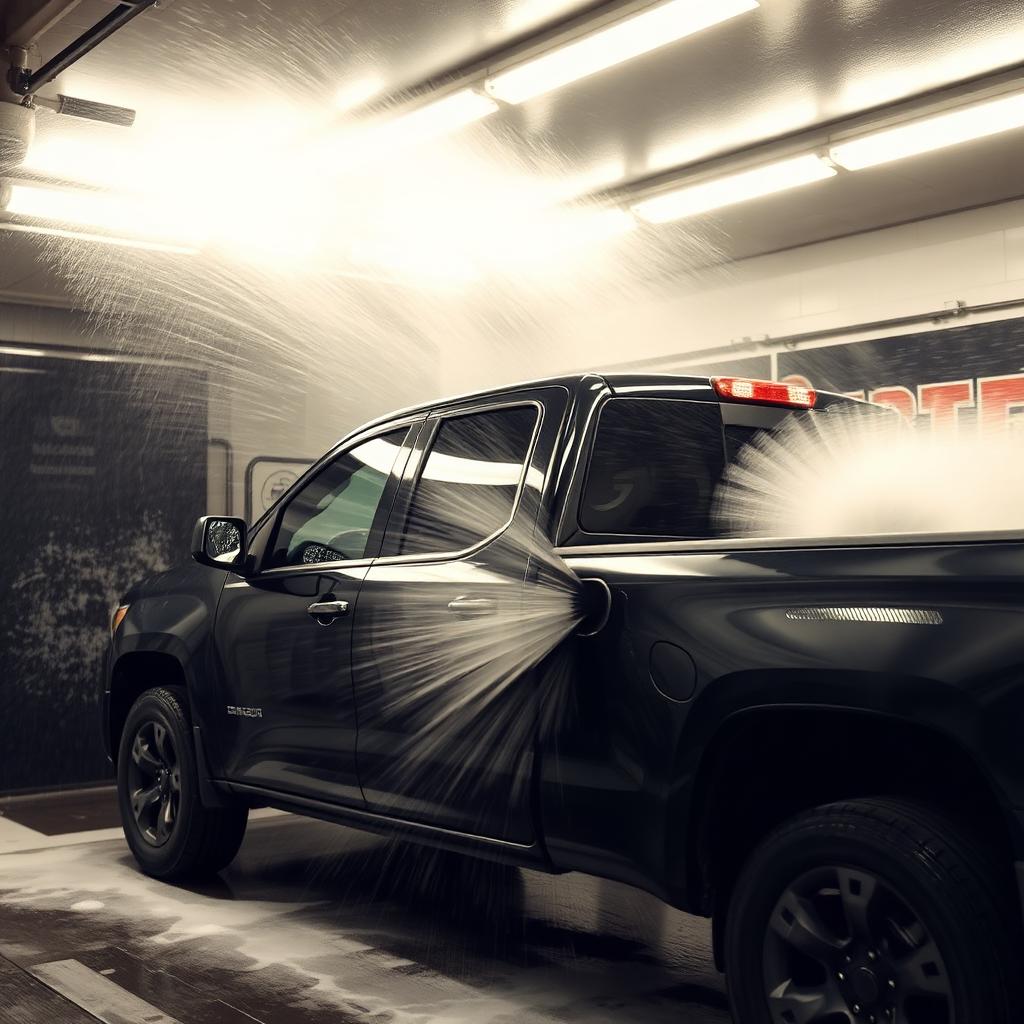
Quick Answer
Automatic brush washes are one of the most common causes of swirl marks, micro-scratches, and paint haze on Minnesota vehicles.
Every vehicle that enters a brush wash leaves behind dirt, road salt, sand, and contamination. The brushes then carry that contamination to the next vehicle. Over time, those materials are repeatedly dragged across the paint surface, creating thousands of fine scratches that reduce gloss and clarity.
Most vehicle owners do not notice the damage immediately. Instead, it develops gradually until the paint looks dull, swirled, or hazy under sunlight.
For most Minnesota truck owners, SUV owners, and daily drivers, the safest long-term approach is minimizing brush wash use, correcting existing damage through paint correction, and protecting the finish with professional Roar Coatings ceramic protection.
The Problem
Many vehicle owners believe automatic car washes are helping preserve their vehicle.
The reality is that many brush-style car washes are slowly damaging the finish every time the vehicle enters.
The issue is not necessarily the equipment itself.
The issue is contamination.
Every vehicle entering the wash brings with it:
- Road salt
- Sand
- Gravel dust
- Mud
- Road film
- Brake dust
- Winter brine
- Environmental fallout
Those contaminants become trapped within the wash materials and are repeatedly rubbed across vehicle surfaces throughout the day.
Even soft cloth systems can create damage when contaminated.
The result is a gradual accumulation of microscopic scratches throughout the clear coat.
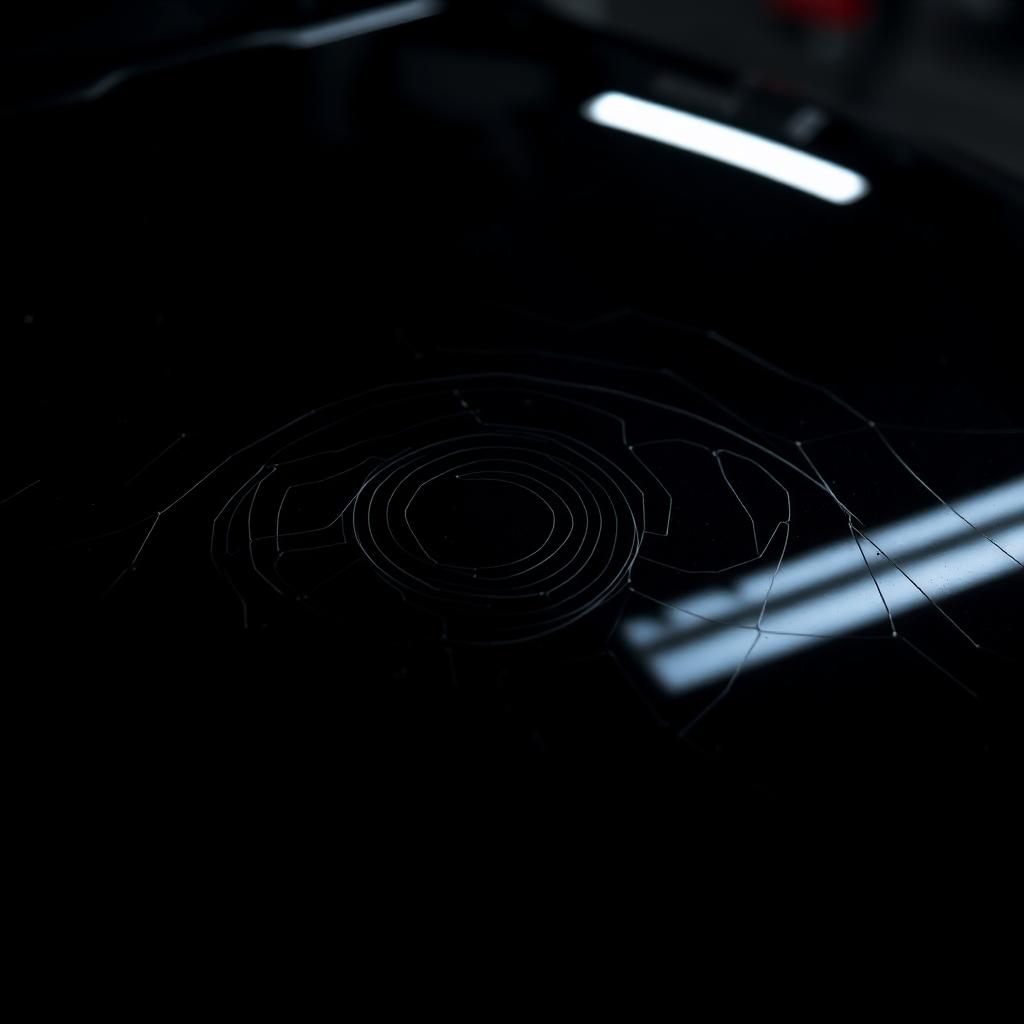
Swirl marks and paint haze are often the result of repeated automatic brush wash exposure.
Why It Matters
Most paint damage caused by automatic washes develops slowly.
One wash rarely creates enough damage for the average owner to notice.
The problem is repetition.
A vehicle washed every week may visit a brush wash fifty times per year.
After several years, the finish often develops:
- Swirl marks
- Fine scratches
- Reduced gloss
- Paint haze
- Loss of reflection
- Dull appearance
Many owners assume this is simply normal aging.
In reality, much of that deterioration was created during the washing process itself.
Paint condition affects more than appearance.
It also impacts:
- Pride of ownership
- Ease of maintenance
- Vehicle presentation
- Trade-in value
- Resale appeal
A truck with deep gloss and sharp reflections presents very differently than one covered in wash-induced swirl marks.
What Causes Swirl Marks?
Swirl marks are thousands of microscopic scratches in the clear coat.
Under normal lighting they may not be obvious.
Under direct sunlight, parking lot lights, or garage lighting they become highly visible.
Many owners first notice them when the sun hits the vehicle at the right angle.
The circular pattern often resembles spider webs or fine scratches spread across the paint surface.
The primary causes include:
- Automatic brush washes
- Improper washing techniques
- Dirty wash mitts
- Contaminated drying towels
- Poor maintenance habits
For many Minnesota vehicles, brush washes are the largest contributor.
The Solution
The good news is that automatic car wash damage can often be corrected.
Paint correction is the process of refining the clear coat to remove or significantly reduce swirl marks, wash marring, haze, and other paint defects.
Professional machine polishing restores:
- Gloss
- Depth
- Clarity
- Reflection
- Color richness
Many vehicle owners are surprised by how dramatically paint correction can transform a vehicle that looked permanently worn out.
Once the finish has been restored, professional Roar Coatings ceramic protection helps preserve the results and make future maintenance easier.
Paint correction restores. Ceramic coating protects.
Together they provide a significantly better long-term ownership experience.
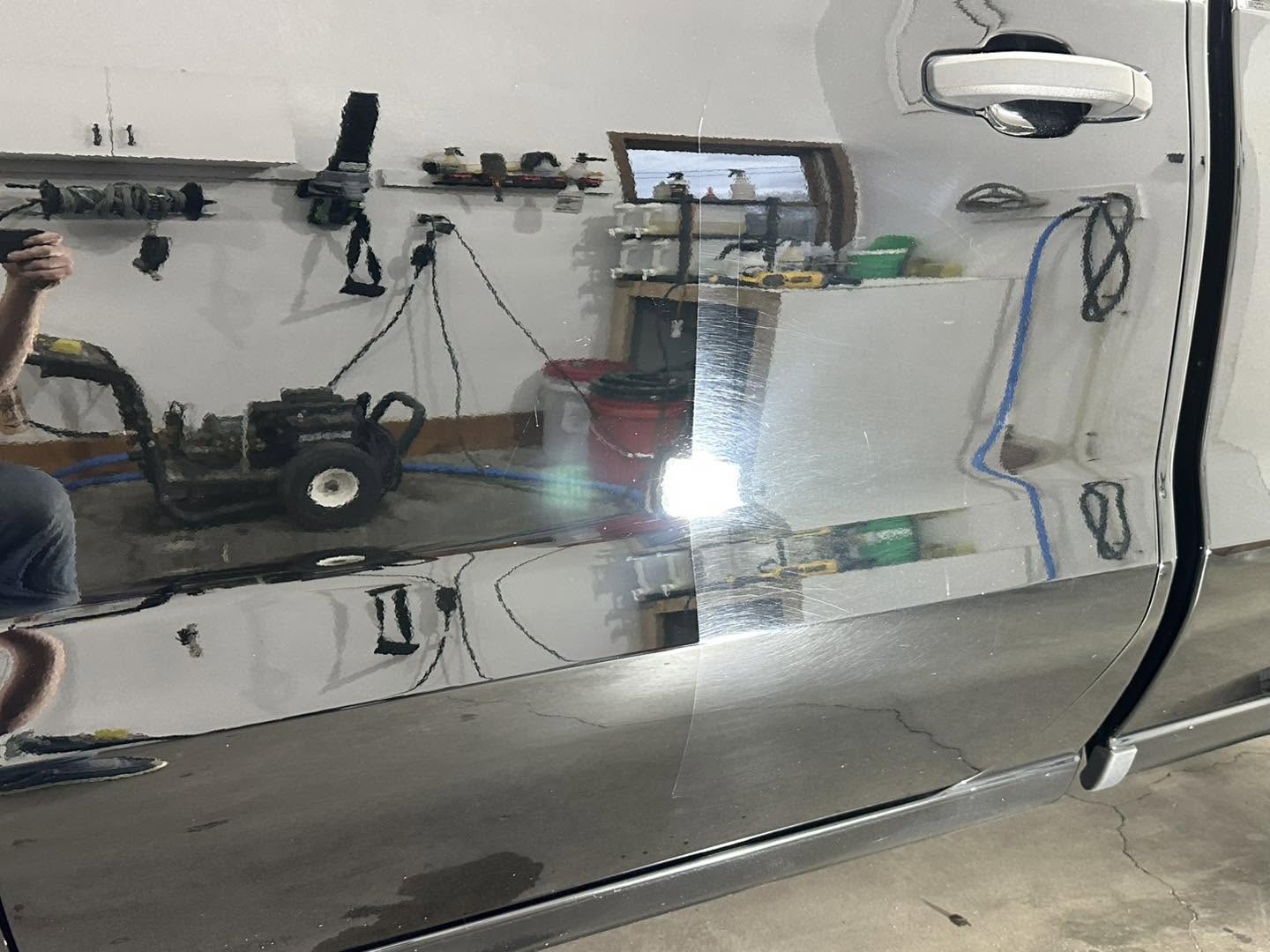
Paint correction removes swirl marks and restores clarity — ceramic coating preserves the finish.
Local Conditions
Minnesota creates unique challenges for vehicle owners.
During winter, vehicles accumulate large amounts of:
- Road salt
- Brine
- Sand
- Slush
- Road grime
Frequent washing becomes necessary.
Unfortunately, convenience often pushes owners toward automatic brush washes.
The more frequently a vehicle visits brush washes, the more opportunities there are for additional paint damage.
Many of the swirl marks seen on Minnesota trucks, SUVs, and daily drivers are the result of years of winter washing habits rather than a single event.
For owners trying to preserve appearance and value, choosing safer wash methods can make a significant difference over the life of the vehicle.
Why Tipp-Topp Uses Roar Coatings
Minnesota vehicles face some of the harshest environmental conditions in the country.
That is why Tipp-Topp Detailing installs professional Roar Coatings ceramic protection systems.
Whether the vehicle is a truck, SUV, daily driver, or specialty vehicle, Roar Coatings provide professional-grade protection designed for real-world Minnesota conditions.
- Preserve gloss
- Simplify maintenance
- Reduce contamination buildup
- Improve long-term appearance
- Protect against environmental exposure
- Support easier cleaning year-round
Why Tipp-Topp Detailing?
Based in Red Wing, Minnesota, Tipp-Topp Detailing has helped vehicle owners restore and protect trucks, SUVs, daily drivers, and specialty vehicles since 2016.
Customers throughout these areas trust Tipp-Topp Detailing:
- Red Wing
- Hastings
- Cottage Grove
- Stillwater
- Hudson
- Apple Valley
- Eagan
- Afton
- Rochester
- Western Wisconsin
Whether the goal is swirl mark removal, paint correction, ceramic coating, or long-term vehicle protection, Tipp-Topp Detailing provides solutions built around real Minnesota driving conditions.
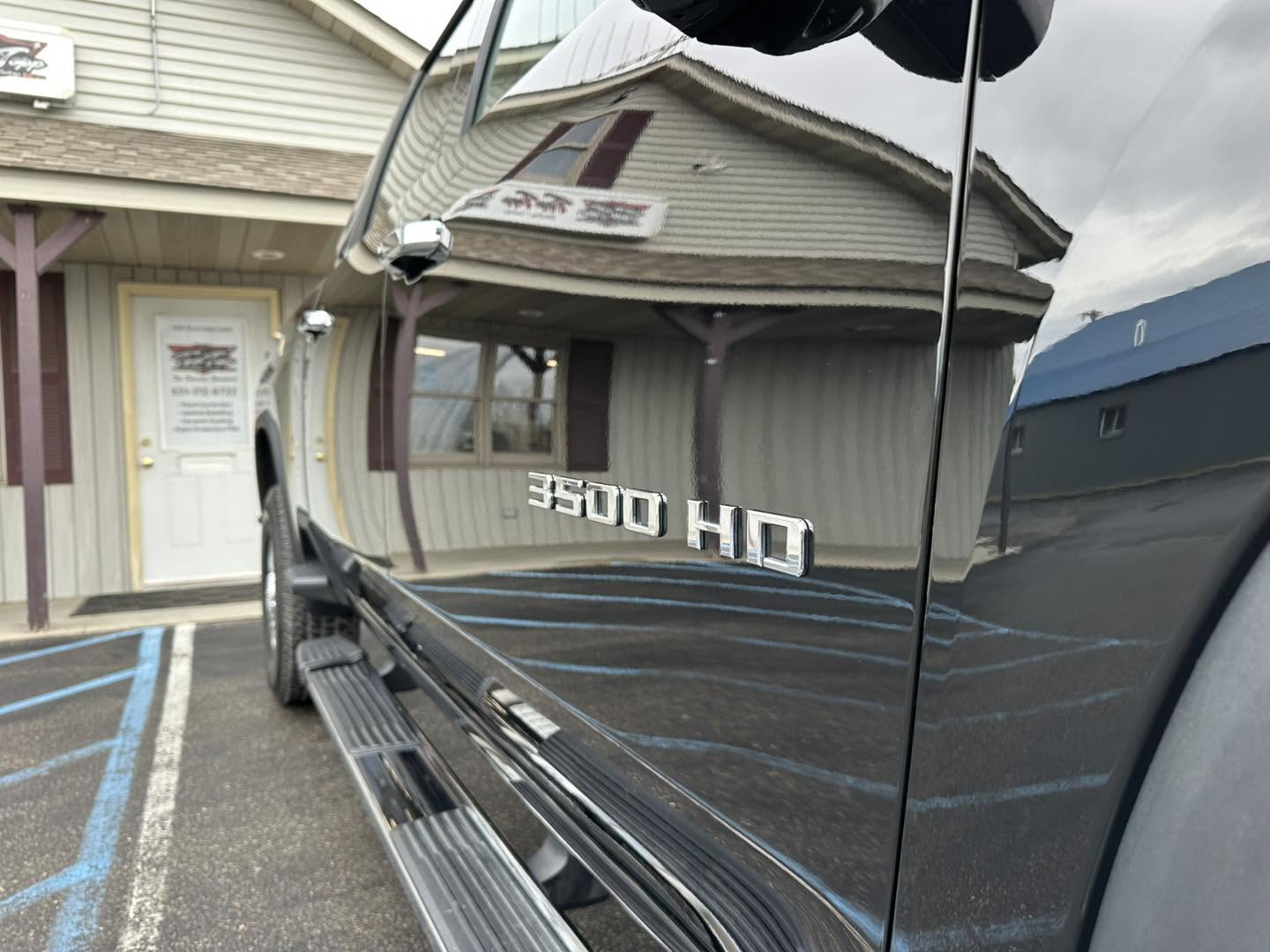
A protected finish that stays cleaner, glossier, and easier to maintain.
Frequently Asked Questions
Are touchless car washes safe?+
Touchless washes are generally safer than brush washes because there is no physical contact with the paint. While they may not always clean as thoroughly, they significantly reduce the risk of swirl marks and scratches.
What causes swirl marks?+
Swirl marks are fine scratches in the clear coat. Common causes include automatic brush washes, improper washing techniques, contaminated wash tools, and poor drying practices.
Can swirl marks be removed?+
Yes. Professional paint correction can significantly reduce or remove most swirl marks and restore gloss, clarity, and reflection.
Will ceramic coating prevent swirl marks?+
Ceramic coating helps make maintenance easier and can reduce some wash-induced damage, but it does not make paint scratch proof. Proper washing techniques remain important.
What is the safest way to wash a vehicle?+
Proper hand washing using clean wash media and safe techniques is generally considered the safest method. Touchless washes are often the next best option when convenience is necessary.
How often should I wash my vehicle?+
Vehicles exposed to Minnesota road salt and contamination should be washed regularly to prevent buildup and protect the finish.
Why does my paint look fine until I see it in the sun?+
Direct sunlight reveals defects that normal lighting often hides. Swirl marks become much more visible when strong light reflects off the paint surface.
Can I fix wash damage at home?+
Minor defects can sometimes be improved with consumer products, but significant swirl marks typically require professional paint correction.
Why does Tipp-Topp Detailing use Roar Coatings?+
Roar Coatings provide professional-grade protection designed to help vehicles withstand real-world environmental conditions while remaining easier to clean and maintain.
Wondering If Automatic Car Washes Have Already Damaged Your Paint?
Send a few photos or stop by for an evaluation.
We'll provide an honest assessment and explain whether paint correction, ceramic coating, or a combination of both would help restore and protect your vehicle.
Serving Minnesota and Western Wisconsin since 2016.